Where the work comes from
Dependency on a few clients, no system to replace one, and the waiting that fills the gap.
Dependency on a few clients, no system to replace one, and the waiting that fills the gap.
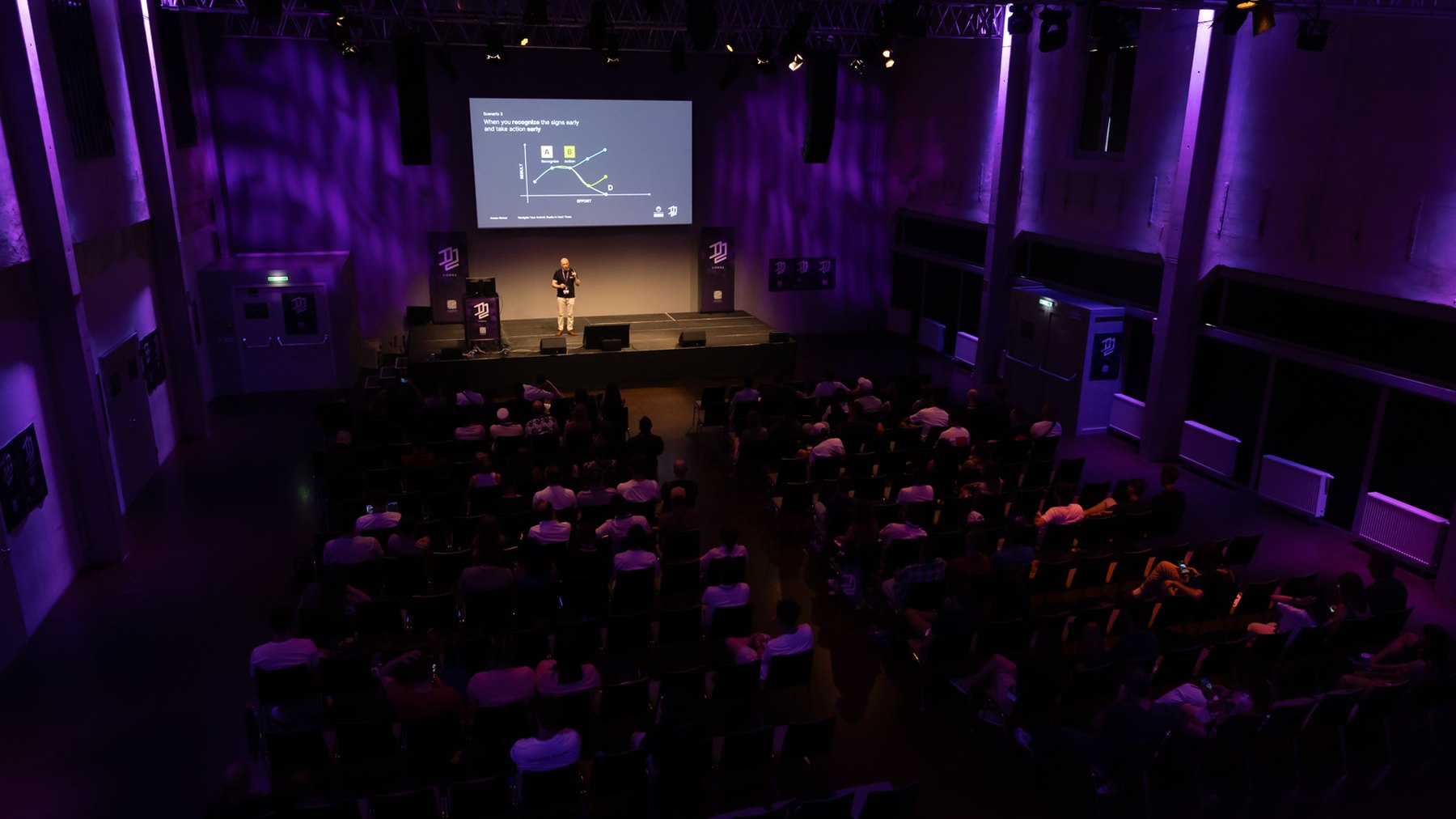
Studios even up to a million in revenue depend on three to five clients paying more than half their income, and the rest is some jobs here and there. The studio can look successful from outside: a good team, awards, a known name, very good projects, a good revenue number. But if three or four clients are holding the whole company together, the business is still fragile.
The dependency stays hidden until one client disappears. One retires, one changes jobs, one changes supplier, one builds an in-house team, one starts using AI for part of the work. Then there is no system to bring in new clients to replace them.
Most studios do not know where to get clients. They know they have people on LinkedIn or Instagram. They follow them, maybe write to them, get no replies. They send emails, get no replies. They go to events. Everything is done in a good mood, and none of it converts.
What is missing is specific: who to reach out to, how, where, how many people, how often, what response rate to expect, what to say after someone replies, and how long it takes before a relationship becomes a project.
Even well-known studios that are not getting enough inquiries to cover the team feel shy about reaching out. They do not know how to do it authentically, so they wait. They wait for the inquiry, the referral, for somebody to remember them, for the market to get better.
They want more work, but they do not want anyone to see that they want more work. They want more people to know about them, but they do not want to talk about themselves. And nobody really cares that much about how they look. What matters is that more people see them, know them, and have a reason to talk to them.
Posting more renders feels like marketing. Likes feel like marketing. Getting featured, winning an award, growing followers, all of it feels like marketing. These things can help.
But something still has to connect somebody seeing you, to understanding why you matter, to having a reason to talk to you, to a conversation, to a relationship, to a project. Most studios have pieces of this. Very few have the whole thing connected.
You cannot control whether a developer pauses a project, whether a firm builds an in-house team, whether somebody starts using an AI app, whether a client finds a cheaper supplier. Some of that is genuinely happening.
One level deeper, the studios seeing those problems mostly have no system to bring new clients at all. So none of them ran a system to its full potential and got nothing. Most people who reach out in a structured way, for long enough, do get replies, meetings and clients.
Reach out today, they should have a project, they give you the project. If that does not happen, the lead was bad. But this is a business-to-business relationship and it takes time.
Most people in your market do not need archviz today. That does not make them bad leads, it means the timing is not now. Demand moves. A company might need you in three months, or next year, or the person moves to another company and introduces you. So the system cannot only be about the tiny percentage who need an image right now. It has to stay connected with everyone else.
That is one group of six, and they compound. Fixing where the work comes from only matters if the next set is working too.
 Who you are for, and why anyone should pick you
Targeting a category instead of a buyer, describing the service instead of the reason to buy it, and looking like nine other studios.
Who you are for, and why anyone should pick you
Targeting a category instead of a buyer, describing the service instead of the reason to buy it, and looking like nine other studios.